
Keyword research is very important to create a successful SEO or content strategy. It helps your website reach people who are searching for the specific products and services you offer. It’s also a great way for your website to reach audiences with topics or answers to questions that individuals are searching for. Without keyword research, even content that is well written can end up being ignored because it doesn’t match what people are typing into the search bar.
Keyword research is when you find the words and phrases people use when searching online. These are called keywords, and they help search engines (like Google) understand what a page is about. Knowing the words your audience uses makes it easier to create content that matches what they want to find.
Why Keyword Research Matters
Search engines work by matching what users search for with pages that seem the most relevant. Keywords play a big role in that. If your content includes keywords that match real searches (and they don’t feel forced), your site has a better chance of showing up in results. That can lead to more traffic and better engagement, and sometimes more conversions too.
Keyword research also helps when planning content. Instead of just guessing what to write about, you can actually see what people are searching for. That gives you a clearer direction and makes your content feel more useful. From what we talked about in lecture, matching content to what users are looking for is a big factor in how search engines decide rankings.
User Intent: The Core of Effective SEO
One of the more important parts of keyword research is understanding user intent, which is just the reason behind someone’s search. There are a few main types:
- Informational searches: when someone is trying to learn something (like “how to train a dog”)
- Navigational searches: when someone is trying to find a specific site or brand
- Commercial searches: when people are comparing options, like reading reviews
- Transactional searches: when someone is ready to take action, like buying something
When you understand intent, you can make content that actually fits what the person needs. For example, if someone searches “best laptops for students,” they’re probably still deciding. But if they search “buy laptop online,” they’re a lot closer to making a purchase. Matching your content to differences like these can make it more helpful and improve your chances of ranking.
Short-Tail vs. Long-Tail Keywords
Another part of keyword research is knowing the difference between short-tail and long-tail keywords. Short-tail keywords are broad (usually one or two words), like “shoes” or “SEO.” They get a lot of searches, but they’re also really competitive and don’t always show clear intent.
Long-tail keywords are more specific (usually three or more words), like “best running shoes for flat feet” or “SEO strategy for WordPress blogs.” They don’t get as many searches, but they usually have less competition and clearer intent. Because of that, they can actually be more useful, especially if you’re trying to reach a specific group of people.
Most of the time, using a mix of both works best. Short-tail keywords can help bring in more visitors, while long-tail keywords can target people who are more likely to take action.
Popular Keyword Research Tools
There are a few tools that people use to find keywords and check things like search volume and competition. Google Keyword Planner is a free tool that shows keyword ideas and how often they’re searched. Google Trends lets you see how interest in certain keywords changes over time.
Tools like Ahrefs and Semrush go more in-depth and show things like keyword difficulty and competitor data. These tools make it easier to decide which keywords are worth focusing on, even though it can still take some trial and error.
Best Practices for Keyword Use
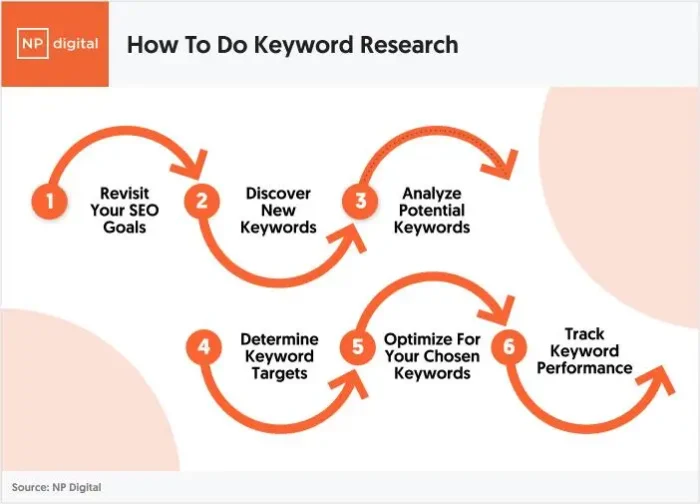
After finding keywords, the next step is using them in your content. They should fit naturally instead of being forced into every sentence. It also helps to include them in important spots like titles, headings, and meta descriptions.
At the same time, overusing keywords can hurt your content. It makes things harder to read and can negatively affect rankings. Another thing to keep in mind is that keyword research isn’t something you just do once. Search trends change, so it’s a good idea to check performance and adjust your strategy when needed.
Conclusion
In conclusion, keyword research is a big part of building an SEO strategy. It helps you understand what people are searching for and gives you a better chance of creating content that actually matches those searches. By paying attention to user intent, using a mix of keyword types, and using research tools, you can improve your rankings and reach the right audience.
References
Keyword research, Wikipedia — https://en.wikipedia.org/wiki/Keyword_research
Keyword Research – Definition, Methods and SEO Importance, Immwit — https://www.immwit.com/wiki/keyword-research/
Why Keyword Research is Important in SEO, HigherVisibility — https://www.highervisibility.com/seo/learn/why-keyword-research-important-seo/
Long-Tail Keyword Strategy, Search Engine Journal — https://www.searchenginejournal.com/keyword-research/long-tail-keywords/
The Best SEO Keyword Research Tools, TechRadar (2026) — https://www.techradar.com/best/keyword-research-tools
Leave a Reply