
Display advertising is a really common part of digital marketing, and it mostly deals with visual ads like banners, images, and videos. You’ll see these pretty much everywhere: on websites, apps, and even in between content sometimes. One of the biggest systems for this is the Google Display Network, which lets businesses reach a huge audience online. Unlike search ads, where someone is actually typing something in and looking for it, display ads show up while people are just browsing around. Because of that, they’re not always about getting clicks right away, but more about getting people to recognize the brand over time.
Programmatic Advertising
A big part of display advertising is programmatic advertising, which is when ads are bought and placed automatically. Instead of someone picking exactly where each ad goes, algorithms handle it by looking at user data and targeting settings.
This process happens really fast (almost instantly), which makes it easier to reach certain audiences without doing everything manually. It’s very useful for bigger campaigns, since doing all of that by hand would probably take forever. That being said, it can be a little hard to fully understand at first, or at least it was for me.
Building Brand Awareness
One of the biggest advantages of display advertising is how it helps build brand awareness. Since ads can appear across so many different sites, a lot of people can end up seeing them, even if they’re not paying full attention.
Even if users don’t click the ad right away, just seeing it multiple times can make the brand feel more familiar later on. This can matter when they’re finally ready to buy something. It’s especially useful for newer businesses or ones trying to compete with bigger brands, but it doesn’t guarantee anything right away.
Advanced Audience Targeting
Display advertising also lets advertisers target specific groups. Ads can be shown based on things like age, location, interests, and browsing behavior.
For example, a company selling fitness products might target people who visit workout websites or search for health-related topics. This makes the ads more relevant (at least in theory), which should increase the chances that people are actually interested. Of course, it doesn’t always work perfectly, but it usually helps.
Retargeting
Retargeting is another important part of display advertising. It focuses on people who have already visited a website but didn’t take any action.
So if someone looks at a product and then leaves, they might start seeing ads for that same product later on other websites. It’s kind of like a reminder, even if it can feel a little repetitive sometimes. This method tends to work well because it targets users who already showed some interest instead of completely new ones.
Parts of a Successful Display Campaign
There are a few main parts that go into a successful display campaign, even though there are obviously more details than we initially see.
Visual design is probably one of the most important. Since display ads rely heavily on images, they need to catch attention quickly. Clear visuals, strong branding, and simple messages usually work better than anything too busy or confusing.
Ad placement also matters a lot. Choosing the right websites or platforms helps make sure the ads are reaching the right audience. If an ad shows up on a site that actually relates to the product, it’s more likely to get clicks (or at least noticed).
Performance tracking is another key part. Looking at impressions, clicks, and conversions helps show how well the ads are doing. From there, advertisers can make changes, although figuring out what to change isn’t always super obvious.
Best Practices for Display Advertising
To get better results, ads should stay simple and easy to understand. Too much text can make people lose interest fast, especially if they’re just scrolling.
Using clear calls to action like “Shop Now” or “Learn More” helps tell users what to do next. Testing different versions of ads is also important since it shows what works better over time, even if the differences seem small.
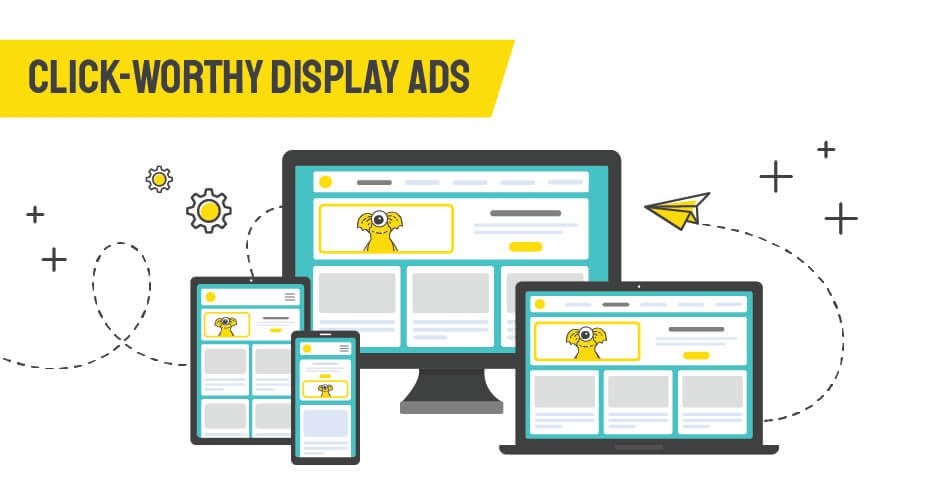
It’s also important to make sure ads look good on both desktop and mobile. A lot of users are on their phones most of the time, so if an ad doesn’t load right or looks weird, it may ruin their experience.
Conclusion
In conclusion, display advertising is an important part of digital marketing. It helps businesses reach a large audience, build brand awareness, and target specific groups more effectively.
When combined with SEO and paid search, it can help with both short-term results and long-term growth. With strong visuals and regular adjustments, display campaigns can be effective, even if it takes some trial and error (and probably a few mistakes) to get everything working the right way.
References
Display Advertising, Wikipedia https://en.wikipedia.org/wiki/Display_advertising
Programmatic Advertising, Wikipedia https://en.wikipedia.org/wiki/Programmatic_advertising
Google Ads Support https://support.google.com/google-ads
Leave a Reply